Developmental Editing for Romance Novels
(meaning: yes, the banter is cute, but why is the plot on vacation?)
So you’ve written a romance novel.
First of all, congratulations. That alone deserves snacks, a nap, and at least one dramatic “I’m never doing this again” moment.
But now comes the part where we gently (lovingly… aggressively?) figure out if your story actually works.
Because here’s the thing: developmental editing isn’t about commas. It’s about whether your book makes sense, hits emotionally, and doesn’t accidentally collapse halfway through like a badly assembled IKEA shelf.
-
Developmental editing is big-picture editing. The kind that looks at your story structure, character arcs, pacing, and romantic payoff before anyone even thinks about grammar.
Translation:
We zoom in, squint at your manuscript, and ask:Does this story work?
Do your characters behave like actual humans (or at least convincing fictional ones)?
Is the romance birthing rabid butterflies like it’s supposed to?
If your answer is “I’m not sure, but vibes are strong,” hi. You’re in the right place.
-
⁕ Character Development & Arcs
We’re diving into your protagonists: wants, wounds, motivations, emotional baggage (the fun stuff).
Are they growing? Are they changing?
Or are they the same emotionally unavailable gremlin from page 1 to 300?Because a romance without character growth is just prolonged eye contact.
⁕ The Romantic Arc (This Is a Big One)
We look at how the relationship develops, from meet-cute to meltdown to happily-ever-after.
Is the chemistry palpable?
Are the tropes working or just sitting there looking pretty?
Is the ending satisfying, believable, and emotionally devastating in the best way?
Your HEA/HFN should feel inevitable, not like you panicked and glued it on at the end.
⁕ Plot & Story Structure
The part where everything either shines or quietly falls apart.
We’ll look at:
Story structure and pacing
Conflict (external and internal)
Scene flow and sequencing
Plot holes you were hoping I wouldn’t notice (I will)
Subplots that wandered off and never came back
Basically, we make sure your story has a solid backbone.
⁕ Secondary Characters (The Scene-Stealers)
Side characters shouldn’t exist just to hold drinks and give advice.
We’ll make sure they:
Have purpose
Impact the main story
Don’t accidentally outshine your protagonists (unless that’s the plan, in which case, bold choice)
⁕ Everything Else You Didn’t Realise Was a Problem
Worldbuilding inconsistencies. Random subplots. Emotional gaps.
If it’s affecting your reader’s experience, we’re talking about it.
Nothing escapes. Not even that one weird scene you know is off.
-
A detailed editorial letter breaking down what’s working, what’s not, and how to fix it
In-manuscript comments (aka me talking to you in the margins)
Clear, actionable suggestions (not vague “maybe deepen this?” nonsense)
A revision roadmap so you’re not left spiralling at 2 AM wondering what to do next
Because confusion is not a revision strategy.
-
This is for you if:
You’ve finished a draft and something continues to feel off
Your beta readers said “I liked it but I can’t explain why it didn’t hit” (the most unhelpful sentence ever)
You’re worried your romance isn’t romancing hard enough
You want your story to feel intentional, not accidental
-
If you want grammar fixes → that’s copyediting
If you want a quick “looks good!” → absolutely not me
If you’re emotionally attached to every single scene and refuse to change anything → we will not survive each other
-
Let’s talk about the thing most romance writers think they understand, and then accidentally mess up.
The romance plot isn’t just “they meet, they kiss, the end.”
At its core, it’s about two people with internal conflicts that actively prevent them from sustaining a healthy relationship until they grow enough to overcome them.
In other words:
They don’t just fall in love
They fight themselves, each other, and their emotional baggage
And then they earn their happily ever after
This is why I sometimes use (or recommend) a romance plot outline approach, because it maps:
emotional beats
relationship progression
and scene-level purpose
A good outline doesn’t kill creativity. It stops your story from emotionally ghosting your reader halfway through.
-
$0.012/word
( $1200 for a 100,000 word book )
( no sass here )
-
Get it here.
(This is just a part of the original report)
Final Thoughts (Before You Panic)
Your story is your baby.
I’m just here to make sure it grows up into a fully functioning, emotionally devastating, reader-obsessed adult, instead of a chaotic mess held together by wishful thinking.
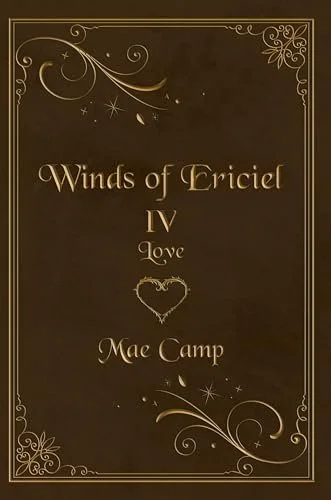
“This was the fourth book Ritika has helped me with, but this one was more involved than the others. She helped me develop my story arc, bringing all my characters together in an amazing way. She has a way of fleshing out the required conflict that readers crave, guiding the story to make readers more invested in the characters. If you want help with your story arc or characters without drowning out your voice, look no further. Ritika has a heart for romance (she is obsessed) and will help you get the most out of your work. She wants the best for your story while honouring the voice you use to tell it. I HIGHLY recommend her!”
— Author Mae Camp